Dust Collector System: The Ultimate Guide for Industrial Air Quality
Written by Shaunak Shah
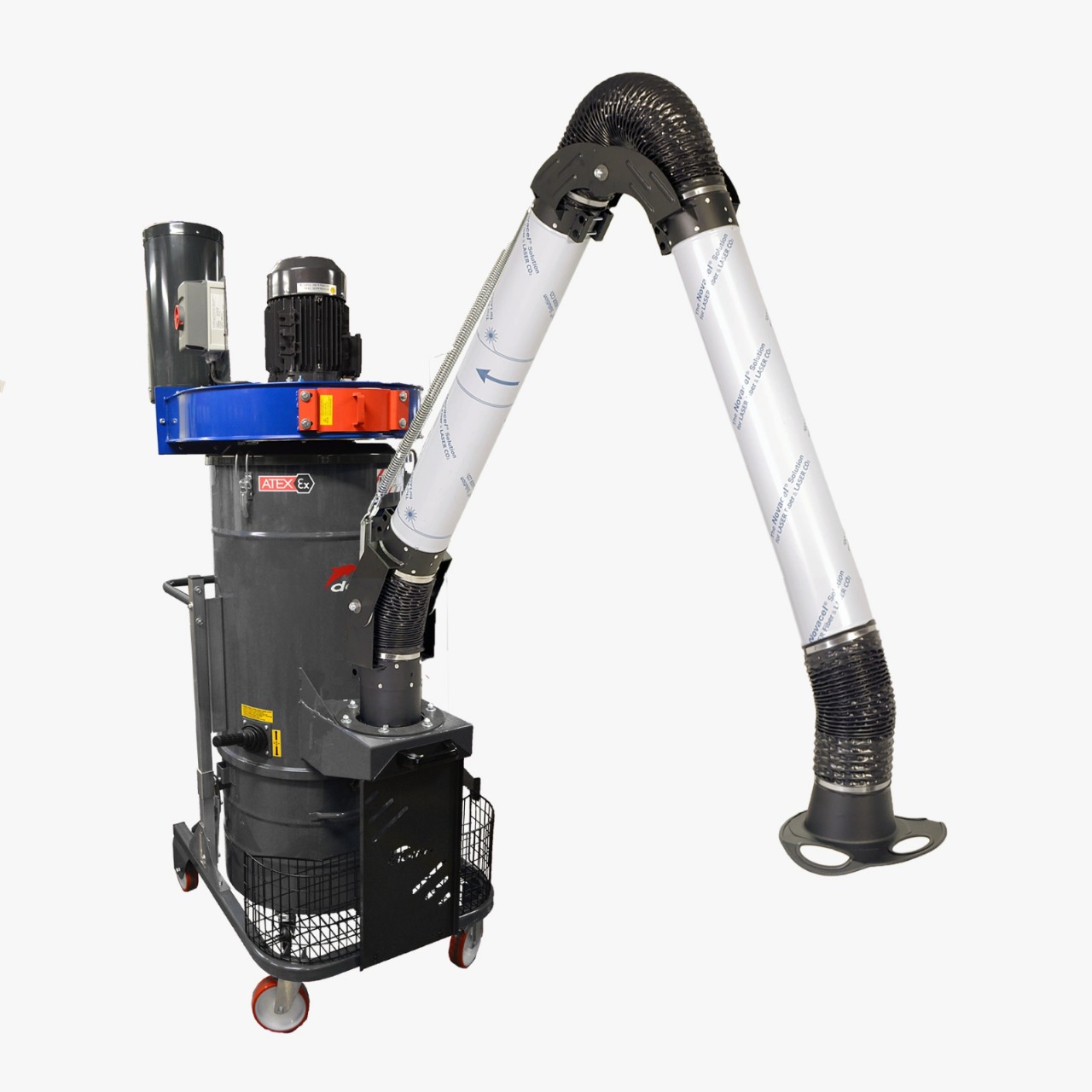
A dust collector system is an essential piece of industrial equipment designed to capture, filter, and remove airborne dust and particulate matter from manufacturing environments. These systems play a crucial role in maintaining workplace safety, regulatory compliance, and operational efficiency. For businesses seeking reliable dust collection solutions, HIS Pumps and Systems offers a comprehensive range of Dust Collector System tailored to meet diverse industrial needs.
A dust collector system is an air pollution control device that removes dust and other impurities from the air in industrial settings. These systems are widely used in factories, workshops, and manufacturing plants to ensure clean air, protect worker health, and comply with environmental regulations. The primary function of a dust collector system is to draw contaminated air through a filtration unit, trap the dust particles, and release clean air back into the environment.?
How Does a Dust Collector System Work?
The Dust Collector System operates by creating a negative pressure that draws air laden with dust and particulates into the system. The air passes through a series of filters or separators, which capture the dust. The filtered air is then discharged, while the collected dust is either stored in a hopper or disposed of safely. The efficiency of a dust collector system depends on the type of filtration technology used and the specific requirements of the industrial process.?
Types of Dust Collector System
There are several types of Dust Collector System, each suited to different industrial applications and dust characteristics. Understanding the various types can help businesses choose the most effective solution for their needs.
Baghouse Dust Collector System
Baghouse Dust Collector System are among the most common and widely used types. These systems use fabric bags to filter dust from the air. As contaminated air passes through the bags, dust particles are trapped on the surface, while clean air is released. Baghouse systems are highly efficient and can handle large volumes of dust, making them ideal for heavy-duty industrial applications.?
Cyclone Dust Collector System
The Cyclone Dust Collector System uses centrifugal force to separate dust particles from the air. The contaminated air enters the cyclone chamber and is forced into a spiral motion. The heavier dust particles are thrown to the outer walls and collected at the bottom, while the clean air exits from the top. Cyclone systems are effective for removing larger dust particles and are often used as a pre-filter for other Dust Collector System.?
Cartridge Dust Collector System
The Cartridge Dust Collector System use pleated filter cartridges to capture dust particles. These systems are compact and offer high filtration efficiency, making them suitable for environments with limited space. Cartridge collectors are commonly used in woodworking, metalworking, and pharmaceutical industries.?
Wet Scrubber Dust Collector System
Wet scrubber Dust Collector System use water to capture dust particles. The contaminated air is passed through a water spray, which traps the dust and washes it out of the air. Wet scrubbers are particularly effective for capturing fine dust and hazardous particulates, making them ideal for industries dealing with toxic or combustible dust.?
Electrostatic Precipitator Dust Collector System
An electrostatic precipitator Dust Collector System uses an electric field to attract and capture dust particles. The air passes through charged plates, which attract the dust and remove it from the air stream. Electrostatic precipitators are highly efficient and are often used in power plants and heavy industries.?
Benefits of a Dust Collector System
Investing in a dust collector system offers numerous benefits for industrial operations. These systems not only improve air quality but also contribute to workplace safety, regulatory compliance, and operational efficiency.
Improved Air Quality
A dust collector system ensures cleaner indoor air by trapping fine dust and pollutants. This reduces the risk of respiratory issues for workers and creates a healthier work environment.?
Enhanced Workplace Safety
Dust accumulation can pose serious safety hazards, including fire and explosion risks. Dust Collector System minimizes these risks by removing combustible dust and preventing buildup in work areas.?
Regulatory Compliance
Industries must adhere to air quality standards set by regulatory bodies such as OSHA and the EPA. A dust collector system helps businesses meet these standards and avoid hefty fines.?
Increased Equipment Longevity
Excessive dust can cause machinery to clog, overheat, or corrode, leading to frequent breakdowns and costly repairs. Dust Collector System prevents dust buildup, extending the lifespan of industrial equipment and reducing maintenance expenses.?
Operational Efficiency
A clean and safe work environment leads to higher productivity and fewer health-related absences. Dust Collector System contributes to smoother operations and improved overall efficiency.?
Energy Efficiency
Modern Dust Collector System are designed to consume less energy, improving overall system efficiency and reducing operational costs.?
Compact Design
Many Dust Collector System come in space-saving models, making them ideal for smaller workspaces while still offering powerful dust removal capabilities.?
Automatic Cleaning
Some Dust Collector System feature automatic filter cleaning mechanisms, ensuring continuous high performance without requiring frequent manual intervention.?
Safety Features
Dust Collector System often include safety measures such as explosion-proof components or fire suppression systems to minimize risks associated with combustible dust.?
Dust Collector System are used in a wide range of industries and applications. Their versatility makes them an essential component of modern industrial operations.
Manufacturing and Machining
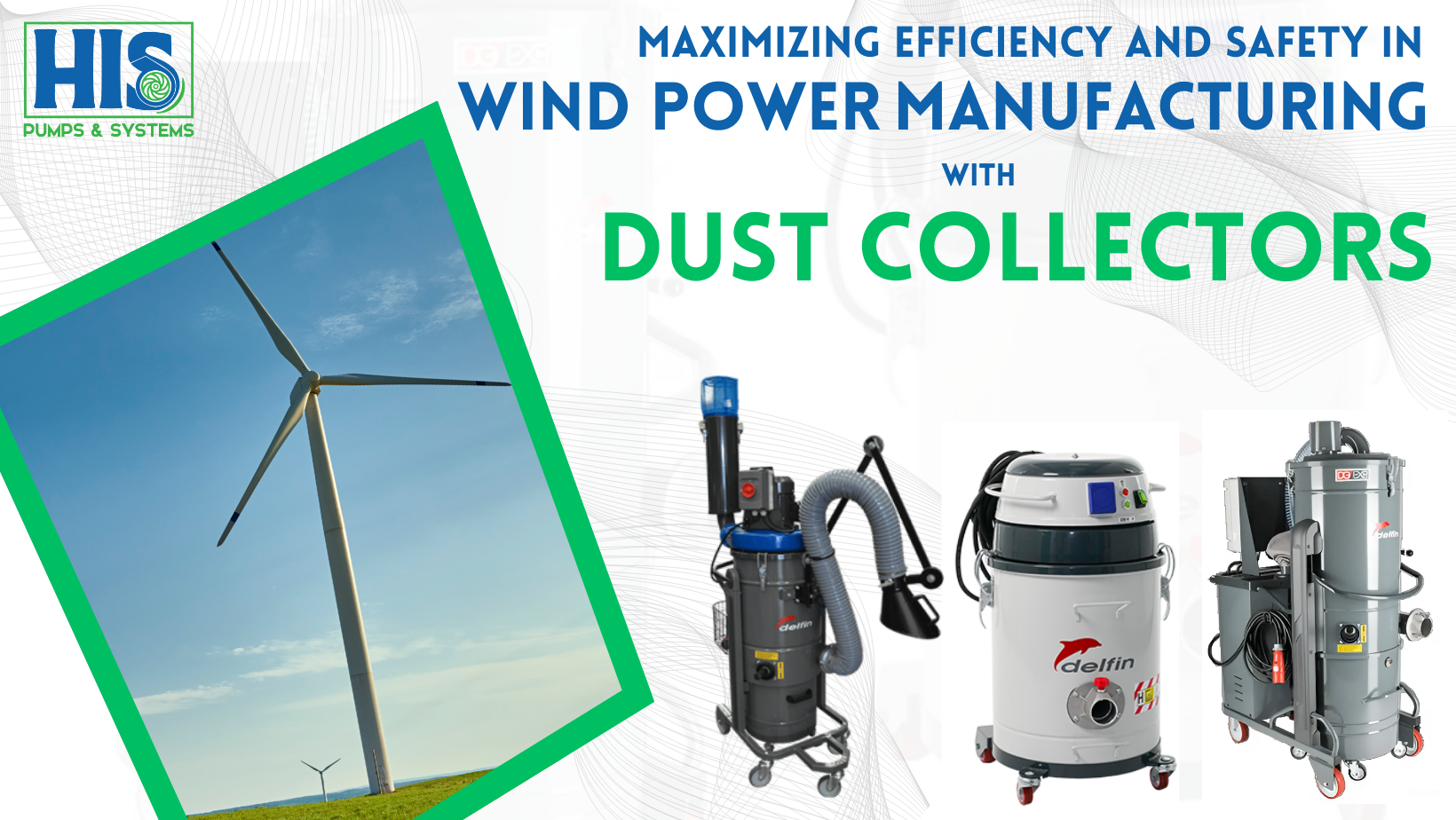
In manufacturing and machining environments, the Dust Collector System captures dust generated during processes such as grinding, polishing, buffing, and superfinishing. These systems help maintain clean workspaces and protect machinery from dust-related damage.?
Woodworking
Woodworking industries rely on a Dust Collector System to remove sawdust and wood particles from the air. This not only improves air quality but also reduces fire hazards and enhances worker safety.?
Metalworking
Metalworking operations generate significant amounts of metal dust and particulates. Dust Collector System are essential for capturing these hazardous materials and ensuring a safe working environment.?
Pharmaceutical
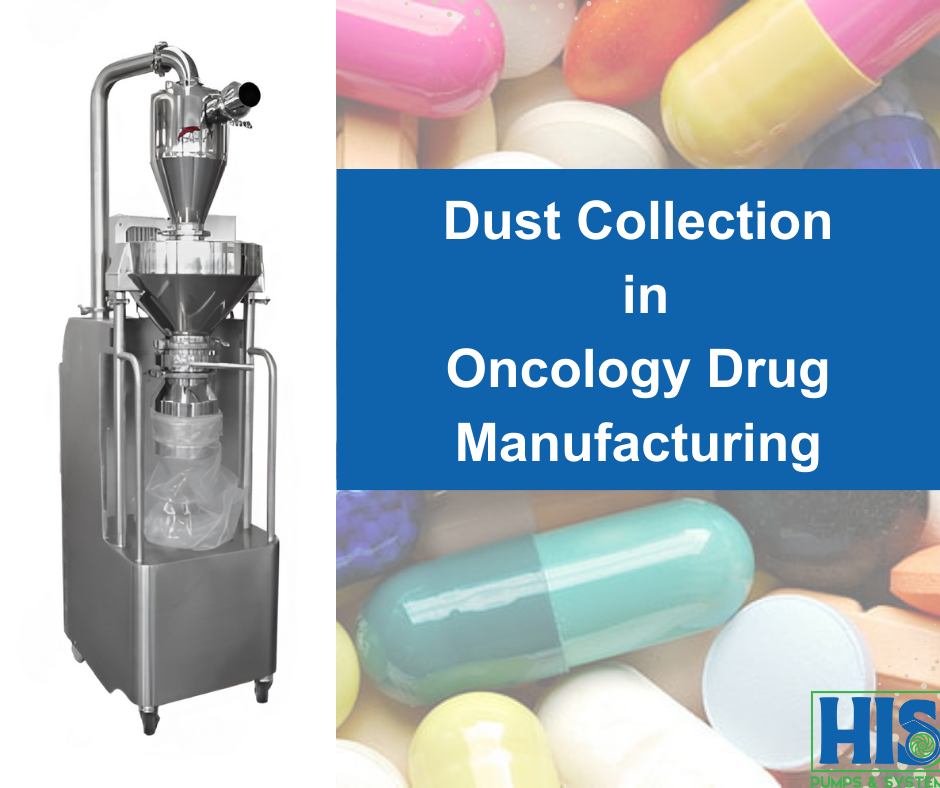
Pharmaceutical industries use Dust Collector System to maintain clean and sterile environments. These systems help prevent contamination and ensure compliance with strict regulatory standards.?
Food Processing
In food processing facilities, the Dust Collector System removes flour, sugar, and other fine particles from the air. This helps maintain hygiene and prevents contamination of food products.?
Power Generation
Power plants and energy facilities use a Dust Collector System to capture fly ash and other particulates generated during combustion processes. These systems are crucial for environmental protection and regulatory compliance.?
Construction
Construction sites generate large amounts of dust from activities such as cutting, grinding, and demolition. Dust Collector System help control dust emissions and protect workers from respiratory hazards.?
Choosing the Right Dust Collector System
Selecting the appropriate dust collector system depends on several factors, including the type of dust, the volume of air to be filtered, and the specific requirements of the industrial process. Businesses should consider the following when choosing a dust collector system:
Dust Characteristics
Different types of dust require different filtration technologies. For example, fine dust may require cartridge or baghouse systems, while larger particles may be effectively captured by cyclone systems.?
Airflow Requirements
The volume of air to be filtered is a critical factor in selecting a dust collector system. Systems must be sized appropriately to handle the required airflow without compromising efficiency.?
Space Constraints
The available space in the facility may influence the choice of the dust collector system. Compact models such as cartridge collectors are ideal for smaller workspaces.?
Maintenance Needs
Some Dust Collector System require more frequent maintenance than others. Automatic cleaning mechanisms can reduce the need for manual intervention and improve system reliability.?
Safety Features
Industries dealing with combustible or hazardous dust should prioritize systems with safety features such as explosion-proof components or fire suppression systems.?
Regulatory Compliance
Businesses must ensure that their dust collector system meets all relevant regulatory standards for air quality and workplace safety.?
HIS Pumps and Systems’s Dust Collector Range
HIS Pumps and Systmes offers a comprehensive range of Dust Collector System designed to meet the diverse needs of industrial clients. Their product line includes baghouse, cyclone, cartridge, and wet scrubber systems, each engineered for maximum efficiency and reliability. HIS Pumps and Systems’ Dust Collector System are built to withstand the rigors of industrial environments and provide long-lasting performance.?
Features of HIS Pumps and Systems Dust Collector System
Advanced filtration technology for superior dust removal
Compact and space-saving designs for flexible installation
Automatic cleaning mechanisms for continuous high performance
Safety features to minimize risks associated with combustible dust
Compliance with industry standards for air quality and workplace safety
Applications Supported by HIS Pumps and Systems Dust Collector System
HIS Pumps and Systems’s Dust Collector System is suitable for a wide range of applications, including manufacturing, machining, woodworking, metalworking, pharmaceutical, food processing, power generation, and construction. Their systems are designed to handle various types of dust and particulates, ensuring clean and safe work environments across industries. ? Contact us to place your Order: +91 92278 99943
Conclusion
A dust collector system is an indispensable component of modern industrial operations. By improving air quality, enhancing workplace safety, ensuring regulatory compliance, and increasing operational efficiency, these systems contribute to the overall success and sustainability of industrial businesses. HIS Pumps and System range of Dust Collector System offers reliable and efficient solutions for diverse industrial needs, making them a trusted partner for businesses seeking to optimize their air quality and workplace safety.